Panto Glasses
Information Center

Your complete resource for understanding lenses. Explore lens types, materials, coatings, thickness, tinting and care—so you can choose the perfect lenses for your eyes and your lifestyle.

Eyewear Knowledge Center

Browse our collection of optical guides covering lens types, coatings, materials, sun lenses, and prescription essentials.

Prescription vs Non-Prescription (Rx vs Plano)

Prescription lenses

Prescription lenses(also called Rx lenses) include your personal optical power to correct vision.

Non Prescription lenses

Non-prescription (Plano) lenses have 0.00 power—great for style or sun protection without correction.

Who it’s for:

  • Rx: anyone with a valid eyeglass prescription.
  • Plano: users who want fashion frames, blue cut without power, or sunglasses.

Benefits:

  • Rx lenses deliver customized clarity.
  • Plano lenses let you enjoy Panto design with zero power.
Also known as: Powered lenses, zero power, fashion glasses.
Prescription lens guide
Non prescription plano lens guide

Single Vision All round

One consistent power across the whole lens—made for a single task: distance, reading, or computer.

Who it’s for:

  • Distance only (driving/outdoors).
  • Reading only (books/phone)
  • Screen only (computer/office).

Benefits:

  • Easy to adapt for first time wearers.
  • Lightweight, clear vision for one distance.
  • Includes HMC anti reflective coating.
Also known as: Reading glasses, computer glasses, distance glasses, single focus
Single Vision lens guide

Progressive (Varifocal)

Multifocal lenses with a smooth, invisible transition between distance (top), intermediate (middle), and near (bottom). No visible line.

Who it’s for:

  • Typically 40+ (presbyopia) needing both far and near.
  • One pair for reading, screen, and driving.

Benefits:

  • Seamless focus at all ranges.
  • No “image jump” like bifocals.
  • Elegant, no segment line.
Also known as: No line bifocals, multifocals.
Progressive varifocal lens guide

Bifocal

Two powers in one lens—distance above, reading below—separated by a visible line or segment.

Who it’s for:

  • Users who prefer a defined reading area and classic design

Benefits:

  • Simple and practical for strong near tasks.
  • No need to switch glasses.
Also known as: Segmented lenses, dual focus.
Bifocal lens guide

Lens Material – Clear (CR 39)

Optical grade plastic with crisp optics. Our clear lenses include anti scratch and HMC anti reflection.

Who it’s for:

  • Everyday indoor users; most first time wearers.

Benefits:

  • Natural color; comfortable clarity.
  • Included free with every Panto frame.
Also known as: Standard plastic lenses, clear lenses.
Clear CR39 lens guide

Lens Material – Blue Cut (Computer Glasses)

Filters high energy blue light from screens/LEDs to improve visual comfort during digital use

Who it’s for:

  • Professionals, students, gamers; anyone 4–8h/day on screens.

Benefits:

  • Reduces glare and eye fatigue.
  • More comfortable late evening screen time.
  • Works with Rx or plano
Also known as: Computer glasses, anti blue light lenses, digital protection.
Blue Cut lens guide

Lens Material – Photochromic (Transition)

Light adaptive lenses that darken outdoors (UV/sunlight) and return clear indoors

Who it’s for:

  • People moving often between inside/outside; commuters and travelers.

Benefits:

  • One pair for all day use.
  • UV protection built in.
  • Great for light sensitive eyes
Also known as: Transition lenses, adaptive lenses, light reactive.
Photochromic transition lens guide

Lens Material – Polarized

Special filter that blocks horizontal glare from water, snow, and roads for high contrast outdoor vision.

Who it’s for:

  • Drivers, beachgoers, anglers, skiers, hikers.

Benefits:

  • Cuts harsh glare; improves color/contrast.
  • Safer, more comfortable sunlight vision.
Also known as: Anti glare sunglasses, polarized sun lenses.
Polarized lens guide

Lens Material – Polycarbonate (PC)

Impact resistant, lightweight lens material—engineered for durability and safety.

Who it’s for:

  • Kids, athletes, and active users; work environments needing toughness.

Benefits:

  • Very high impact resistance.
  • Naturally UV blocking.
  • Light and comfortable all day.
Also known as: Safety lenses, sports lenses, impact resistant.
Polycarbonate PC lens guide

Tinting – Full Tint

Uniform color across the whole lens for sun comfort or bold fashion.

Who it’s for:

  • Users wanting consistent shading for bright days.

Benefits:

  • Even light reduction; stylish look.
  • HMC included on non mirror tints.
Also known as: Solid tint sunglasses.
Full Tint lens guide

Tinting – Gradient

Darker at the top, lighter at the bottom—great for driving and reading screens.

Who it’s for:

  • Drivers; city wearers moving shade↔sun.

Benefits:

  • Sun protection above; clearer view below.
  • No extra charge for gradient tinting.
Also known as: Ombre tint sunglasses.
Gradient tint lens guide

Tinting – Mirror (60% / 80%)

Reflective mirror layer over a 60% or 80% sun tint. (Mirror lenses do not use anti reflection by design.)

Who it’s for:

  • Style lovers and bright light outdoor users.

Benefits:

  • 80% = bold beach look; 60% = better for driving through mixed light.
  • Extra brightness control and privacy.
Also known as: Mirror coated sunglasses.
Mirror tint lens guide

Lens Index – What It Means

Index is how strongly a material bends light. Higher index means lenses can be made thinner and lighter for the same prescription power.

Why it matters:

  • Improves comfort on nose/ears.
  • Better appearance (slimmer edges).
  • Reduces “magnified/minified eye” effect in strong prescriptions
Guide: 1.50 (Standard) → 1.60 (Thin) → 1.67 (Extra Thin) → 1.74 (Ultra Thin).

Index 1.50 – Standard

Classic optical plastic for light prescriptions (about ±2.00 or lower).

Who it’s for:

  • First time wearers; fashion or reading glasses.

Benefits:

  • Clear optics; best value.
  • Slightly thicker edges on stronger powers.
Compare: Thicker than 1.60/1.67/1.74 but most affordable.
Index 1.50 standard lens guide

Index 1.59 - Polycarbonate – Impact Resistant

Lightweight, impact-resistant lens material designed for active lifestyles and added eye protection.

Who it’s for:

  • Children, sports users and active wearers.
  • Rimless or semi-rimless glasses.
  • Anyone wanting lighter, safer and more durable lenses.

Benefits:

  • Highly impact resistant and difficult to break.
  • Lighter and thinner than standard 1.50 lenses.
  • Built-in UV protection.
Compare: More durable than 1.50 and ideal for safety, although 1.60 may provide slightly clearer optics for everyday wear.

Index 1.60 – Thin

Around 20% thinner than 1.50. Designed for moderate prescriptions (roughly ±2.00 to ±4.00).

Who it’s for:

  • Users wanting lighter feel and slimmer edges.

Benefits:

  • Sleeker look; good price performance.
  • Nice match for semi rimless frames.
Index 1.60 thin lens guide

Index 1.67 – Extra Thin

High index for strong prescriptions (about ±4.00 to ±6.00).

Who it’s for:

  • Wearers wanting noticeably thinner, lighter lenses.

Benefits:

  • 30–35% thinner than standard 1.50.
  • Improves comfort and cosmetics in metal/full rim frames.
Index 1.67 extra thin lens guide

Index 1.74 – Ultra Thin

The thinnest, lightest lens material for high to very high prescriptions (±6.00 and above).

Who it’s for:

  • Those prioritizing the slimmest profile and minimal weight.

Benefits:

  • Up to ~45% thinner than standard.
  • Best cosmetic outcome, great for premium/rimless frames.
Index 1.74 ultra thin lens guide

Coating – HMC (Hard Multi Coating)

Anti reflection + scratch resistance for clearer vision and cleaner look (less glare in photos/night driving).

Who it’s for:

  • All users; everyday improvement.

Benefits:

  • Sharper vision; fewer reflections.
  • Included on our clear lenses.
HMC hard multi coating guide

Coating – SHMC (Super Hydrophobic)

Repels water, oils, and smudges—lenses clean faster and stay clear longer.

Who it’s for:

  • Users who hate fingerprints and frequent cleaning.

Benefits:

  • Easy clean surface; better clarity in rain/splash.
SHMC super hydrophobic coating guide

Coating – BLSC (Blue Light + Super Hydrophobic)

Blue light filtering combined with hydrophobic topcoat for digital comfort and easy cleaning.

Who it’s for:

  • Heavy screen users who want both protection and lowmaintenance cleaning.

Benefits:

  • Reduces digital glare and smudges in one.
BLSC blue light super hydrophobic coating guide

Coating – FogOff (Anti Fog)

Surface technology that helps prevent fogging during temperature changes or mask wear.

Who it’s for:

  • Gym users, healthcare, chefs, commuters.

Benefits:

  • Clearer vision when moving cold↔warm; less wiping.
FogOff anti fog coating guide

Coating – UV400

Blocks 100% of UVA and UVB rays up to 400 nm for long term eye protection.

Who it’s for:

  • Everyone—recommended for clear and sun lenses.

Benefits:

  • Helps protect against UV related eye damage.
UV400 coating guide

Lens Choices by Lifestyle

Office / Digital: SingleVision (computer)+Blue Cut + SHMC
Outdoor / Driving: Polarized (60%) + UV400
Everyday In & Out: Photochromic + HMC/SHMC
High Prescription: Index 1.60 / 1.67 / 1.74
Active / Kids: Polycarbonate + SHMC

Lens Care & Maintenance

Do: Clean with microfiber + lens spray; store in pouch; use both hands to remove frames.

Don’t: Wipe with tissues/paper; leave on hot dashboards; use harsh cleaners.

Tip: Regular gentle cleaning keeps coatings performing at their best.
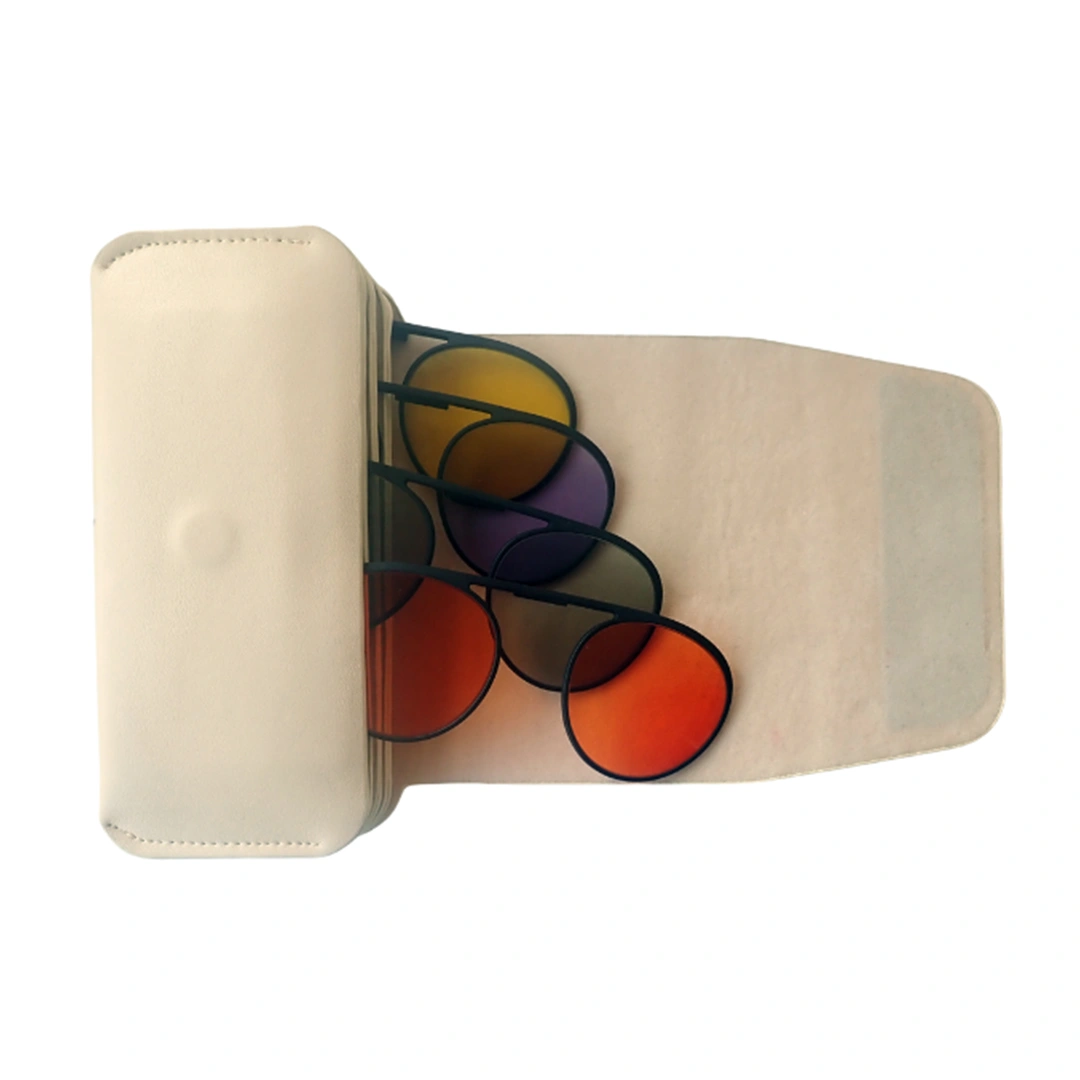
Panto glasses protective case with sunglasses
Panto glasses soft microfiber cleaning cloth
Panto glasses protective pouch

Need Help?

Our optical specialists can review your prescription and suggest lens types.

MODELS OF PANTO GLASSES

Browse Panto models. Welcome into the world of PantoGlasses.com, where every pair of glasses is more than just an accessory; it’s a statement of style and sophistication.

MODELS OF PANTO GLASSES EXPLANATION

What Is an Eyeglasses Prescription (Rx)?

Definition

An eyeglass prescription (Rx) is a written record from your eye doctor listing the exact lens powers you need for clear vision. Each eye can have different values that describe how strong, thick, or shaped your lenses must be.

Who it's for:

Everyone who needs correction for distance, reading, or both.

Benefits:

  • Lenses made precisely for your eyes.
  • Avoids eye strain or headaches.
  • Helps you pick the right lens type.
Also known as: Eyeglass prescription, spectacle prescription, optical Rx, doctor's vision slip.

Sphere (SPH)

Definition

SPH shows how strong your lenses need to be to correct nearsightedness (–) or farsightedness (+). It always includes a sign.

Who it's for:

Anyone needing clearer near or far vision.

Benefits:

  • "–" = nearsighted (blurry far).
  • "+" = farsighted (blurry near).
  • 0.00 (Plano) = no correction.
Also known as: Lens power, main correction, distance or reading strength.

Cylinder (CYL)

Definition

CYL corrects astigmatism — when your eye is slightly football-shaped, causing stretched or shadowed vision.

Who it's for:

Anyone diagnosed with astigmatism.

Benefits:

  • Sharper, more uniform vision.
  • Reduces ghosting or double outlines.
  • Improves reading and night driving comfort.
Also known as: Astigmatism correction, cylinder power, toric correction.

Axis

Definition

Axis (0°–180°) shows where your astigmatism correction is placed in the lens.

Who it's for:

Anyone with a CYL value (only shown when astigmatism is present).

Benefits:

  • Positions correction at exact angle.
  • Prevents tilted or blurred vision.
Also known as: Astigmatism angle, axis degree, lens rotation angle.

ADD (Addition)

Definition

ADD is the extra magnifying power at the bottom of your lenses for reading or close-up work. Used in progressive and bifocal lenses.

Who it's for:

People aged 40+ (presbyopia).

Benefits:

  • See near and far clearly in one pair.
  • Easier reading and computer use.
  • Always positive (+), e.g., +2.00.
Also known as: Near addition, reading add, bifocal add.
Need to measure your ADD? Quickly check your ADD and near vision with our online calculator.
Measure ADD & Near Vision →

Do I Need ADD for Single Vision?

Definition

Single Vision lenses have one consistent power — for distance, reading, or computer. They do not include near and far powers.

Who it's for:

Users needing only one vision range.

Benefits:

  • Simpler and lighter.
  • Ideal for reading-only or distance-only.
  • ADD not required.

Comparison:

  • Single Vision – No ADD
  • Progressive/Bifocal – ADD required

PD (Pupillary Distance)

Definition

PD measures the distance between the centers of your pupils (mm). Ensures optical centers align correctly.

Who it's for:

All prescription lens wearers.

Benefits:

  • Prevents eye strain and distortion.
  • Improves comfort and focus.
Also known as: Eye-to-eye distance, PD measurement.

PH (Pupillary Height)

Definition

PH is the vertical distance from the bottom of the lens to your pupil center. It ensures lenses align correctly with your eyes.

Who it's for:

Required for progressives and bifocals; optional for single vision.

Benefits:

  • Aligns vision zones naturally.
  • Improves comfort during reading or computer use.
PantoGlasses Note: For orbitally shaped PantoGlasses, average PH = 27.5 mm will be used unless you provide another measurement. You can leave this field blank. Options: PH (same for both eyes) or PH (individual per eye).

SH (Segment Height for Bifocals)

Definition

SH measures the distance from the bottom of the lens to the top of the bifocal reading segment. Defines where near vision starts.

Who it's for:

Bifocal lens users wanting a defined reading area.

Benefits:

  • Precise reading zone placement.
  • Comfortable posture.
Also known as: Segment height, bifocal fitting height.
Tip: If not provided, we'll use average SH for your frame.

OD & OS (Right & Left Eye)

Definition

OD (Right Eye), OS (Left Eye). Each eye can have unique SPH, CYL, and Axis values.

Benefits:

  • Ensures correct power per eye.
  • Prevents reversed or mismatched lenses.

Prism (if present)

Definition

Prism corrects eye alignment or double vision by slightly shifting the image.

Who it's for:

Users with diagnosed alignment or convergence issues.

Benefits:

  • Reduces double vision.
  • Helps both eyes work together.
Also known as: Prismatic correction, alignment adjustment.

Example Prescription

Term Example Meaning
SPH –2.50 Nearsighted correction
CYL –0.75 Astigmatism correction
Axis 90° Orientation of correction
ADD +2.00 Reading boost
PD 63 mm Distance between pupils
PH 27.5 mm Height from lens bottom to pupil
SH 15 mm Bifocal segment height

Quick Summary

  • SPH: Power for near/far vision
  • CYL: Astigmatism correction
  • Axis: Direction of correction
  • ADD: Near addition
  • PD: Pupillary distance
  • PH: Pupillary height (27.5 mm default)
  • SH: Bifocal segment height
  • OD/OS: Right/Left eye
  • Prism: Eye alignment correction

Questions? Contact panto@pantoglasses.com for guidance.